A quiet coastal stop filled with history, amazing views, and some of the best oysters in Washington
Quick Highlights
A tiny historic town on Willapa Bay
Perfect for slow travelers and history lovers
Best enjoyed as part of a coastal weekend
Charming homes, schoolhouse, and waterfront views
Famous for fresh, local oysters
Close to beaches, trails, and wildlife
Most peaceful in fall, winter, and early spring
Exploring Oysterville, Washington on the Long Beach Peninsula
The sun was shining, the truck windows were down, an 80’s playlist was on Spotify, and the salty sea air blew through my hair as my partner and I wound our way through the back roads of the Northern end of the Long Beach Peninsula in Washington state.
At one point, a simple wooden sign appeared: “Oysterville.” Beyond it, a single street dipped toward the bay, framed by wildflowers and weathered picket fences. I didn’t know anything about this place—not even its name a moment before—but as we rolled to a stop and stepped out, I had the sense I’d stumbled into a secret worth holding onto.
Every year for the Fourth of July, my family rents a beach house to make memories and watch fireworks. We usually head to Moclips and Pacific Beach or down to Long Beach, Washington. It was during our first stay in Long Beach that we stumbled upon this quiet little place while exploring near our rental.
A town built on Oysters
Honestly, it didn’t even feel like an actual town, more like a beautifully maintained ghost town…like a living museum.
Oysterville was founded in the 1850s when settlers realized that Willapa Bay wasn’t just beautiful… it was overflowing with oysters. During the Gold Rush era, oysters harvested here were packed into barrels and shipped as far as San Francisco. What feels peaceful and almost suspended in time today was once a busy coastal settlement built almost entirely around the oyster trade.
Walking through the Oysterville Historic District
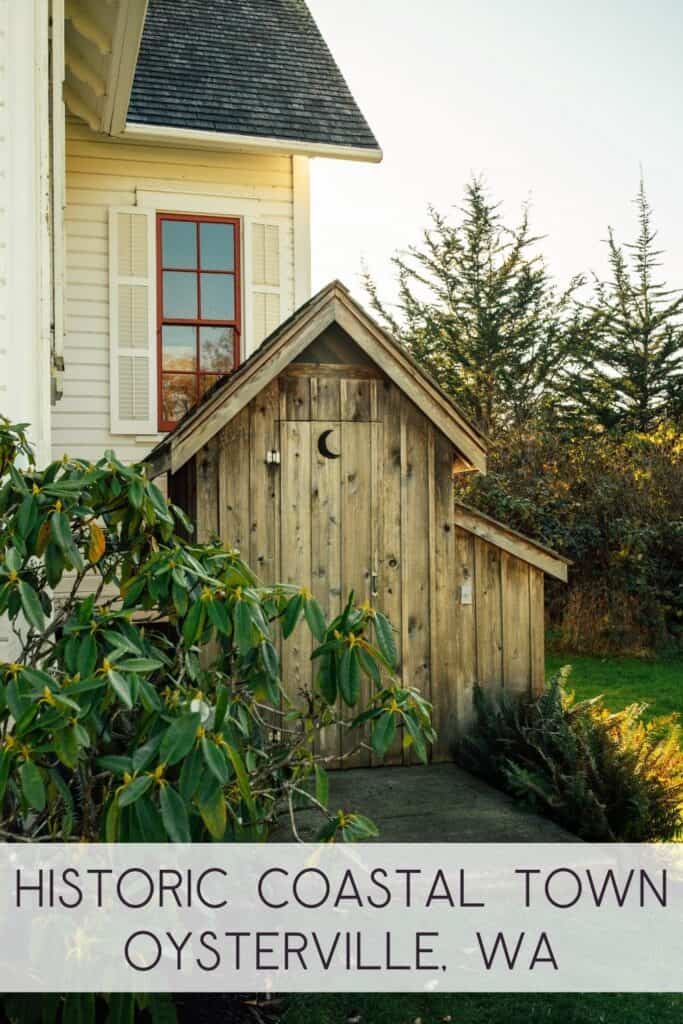
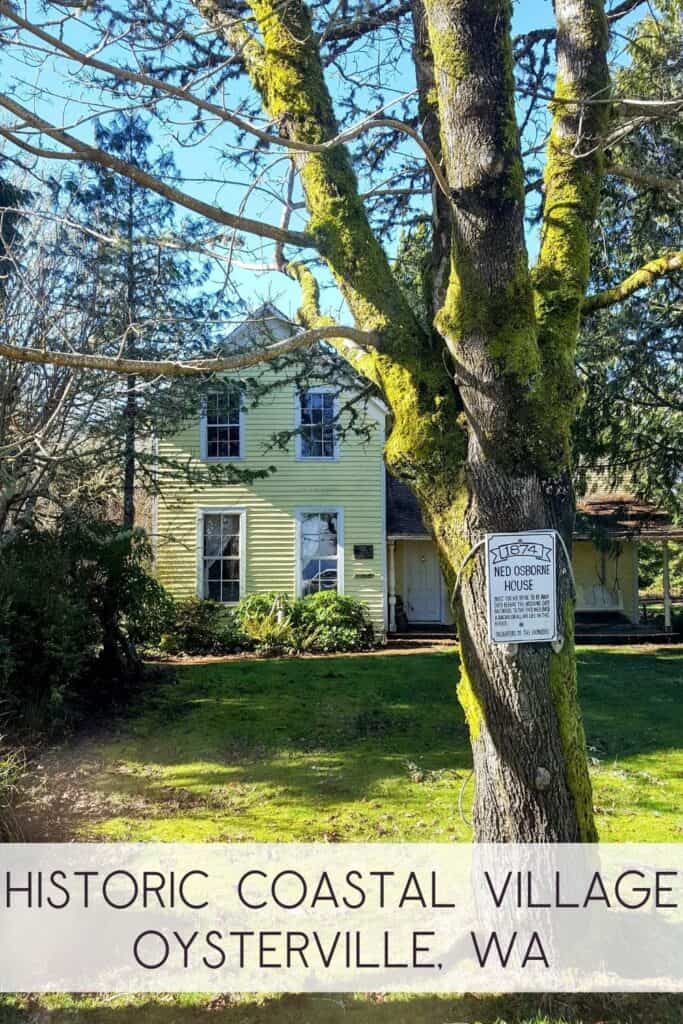
The “town” is essentially a single street on the western shore of Willapa Bay, marked by a simple sign reading “Oysterville.” Driving down that road feels like stepping back in time. The street is the heart of the Oysterville Historic District and includes a handful of charming historic homes, a quaint wooden one-room schoolhouse, and a picture-perfect white church. The entire district is listed on the National Register of Historic Places.
If you want to take a stroll through history on this quaint street, have this walking tour map and info ready to go. It will let you know about each structure and it’s brief history.
Thanks to the ongoing work of the Oysterville Restoration Foundation and other local volunteers, these historic buildings and the village’s character have been thoughtfully preserved. Community efforts play an important role in maintaining the unique look and quiet atmosphere, from restoring aging homes to organizing educational tours and events that celebrate Oysterville’s heritage.
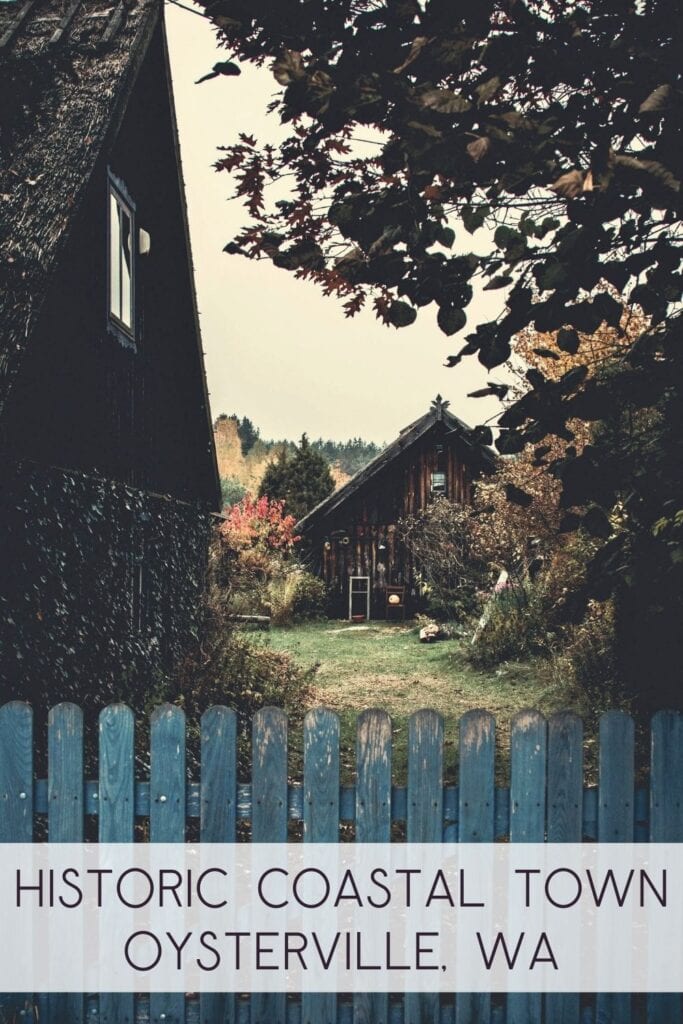
The homes are clearly well cared for. Small signs in front of many properties share brief histories of the families who lived there. Some are a little weathered and hard to read… but it’s worth slowing down and strolling from sign to sign, imagining life here when the oyster industry was booming.
When Oysterville was a Coastal Hub
In the late 1800s, several oyster canneries operated along Willapa Bay. Harvesters worked the tidal flats at low tide. Oysters were shucked by hand and packed for shipment to growing markets. For a time, Oysterville even served as the county seat. It wasn’t just a sleepy village… it was an economic hub on Washington’s southwest coast.
Check this quick read that the Oysterville Restoration Foundation put together to learn more on the history of Oysterville, Washington and it’s part in the Oyster Industry.
The Little White Church
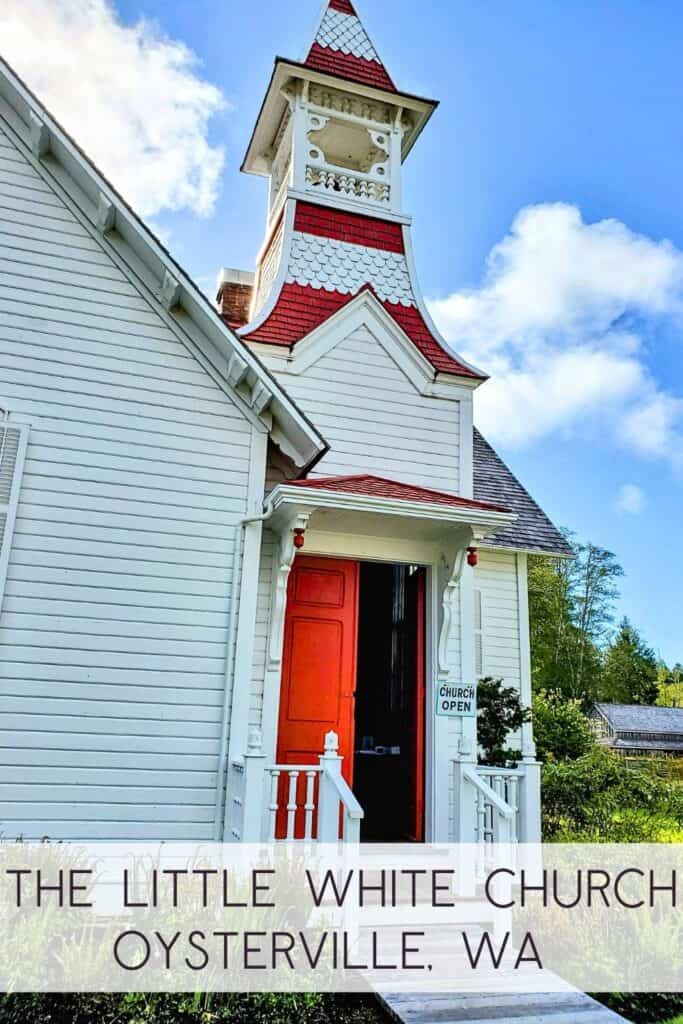
The little white church looks like it belongs on a postcard. With its red trim and red door, it stands out against the coastal sky. According to the tour handout, the church stopped holding regular services in the 1930’s. It is does offer church services at times and It can also be rented for weddings and events. It is open to visitors, offering a quiet place to step inside and sit for a moment… which is exactly what I did.
Oysterville Sea Farms: The Last Cannery Standing
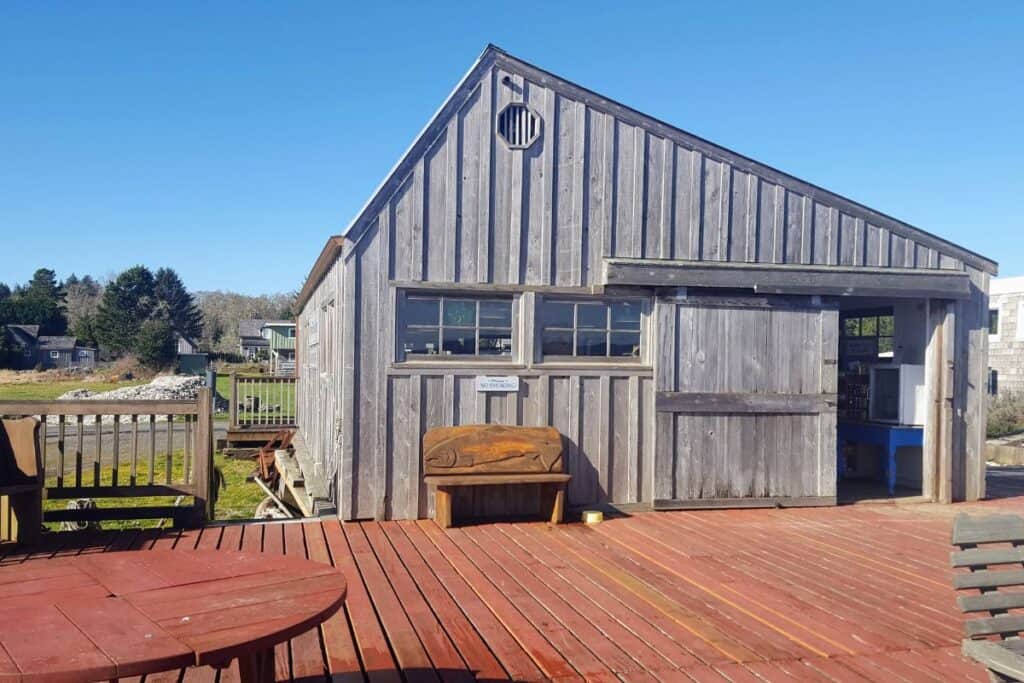
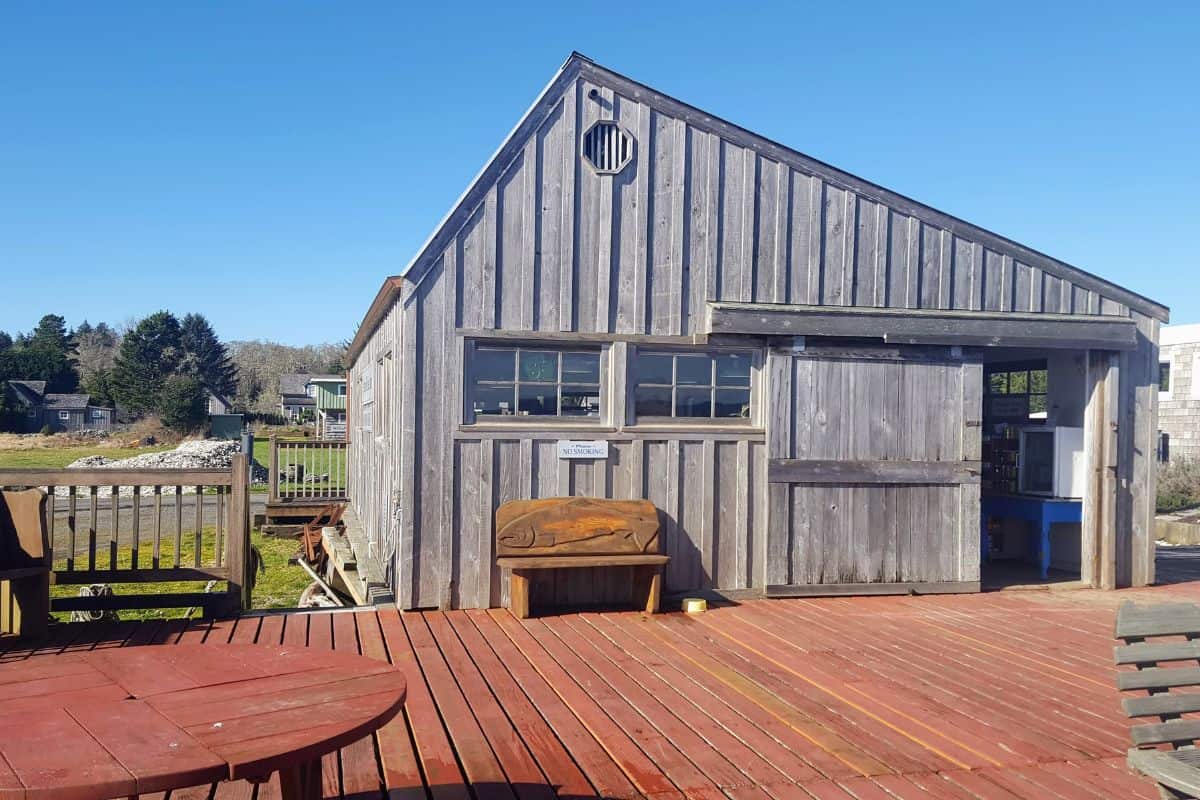
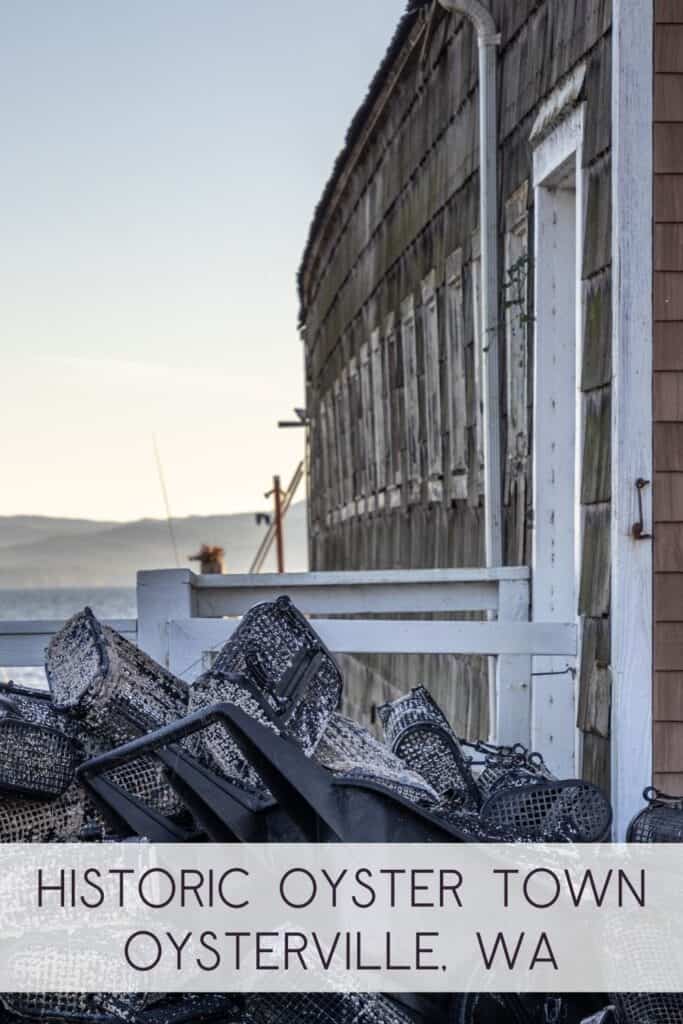
Continuing past the historic homes toward the bay, we found Oysterville Sea Farms. The building dates back to the early 1900s and is considered the last remaining oyster cannery structure in the original town.
While many of the original canneries disappeared as transportation routes changed and nearby towns grew, oyster farming here never fully stopped. It simply evolved.
How Oyster Farming Evolved
What began as wild harvesting on the tidal flats shifted into modern aquaculture, with oysters now raised in protected mesh bags or on racks in the bay. The focus moved away from large-scale canning for distant markets and toward fresh, live oysters sold locally and to specialty restaurants.
It looks different today… but the connection between this town and its oysters is still very much alive.
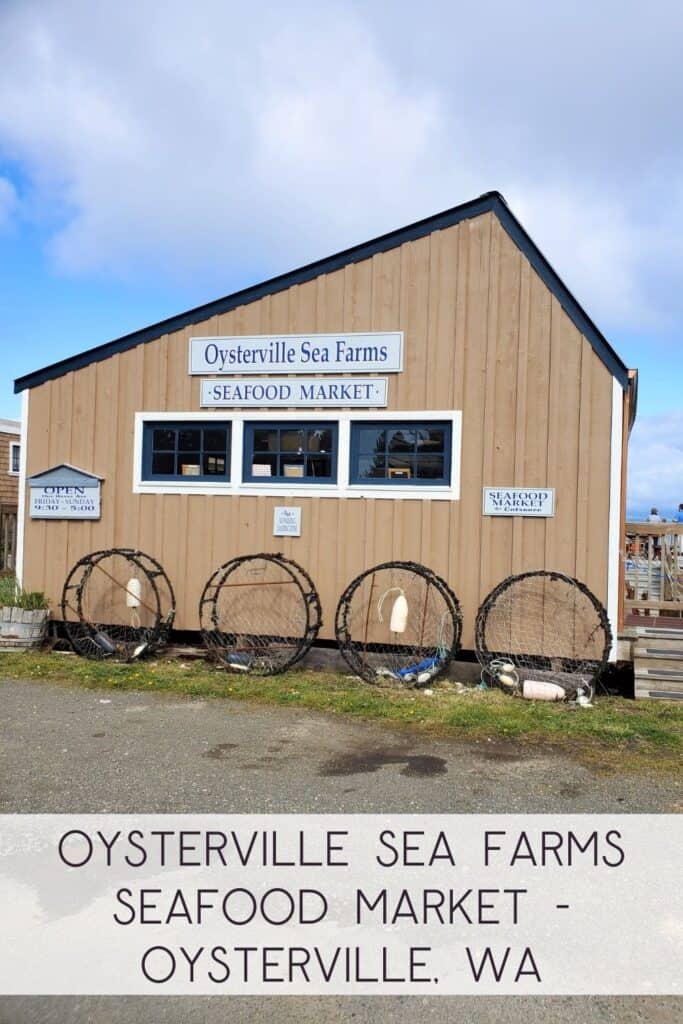
We didn’t eat oysters there on that first visit, but we wandered through the market, browsing tinned fish, local snacks, and coastal souvenirs. I was immediately drawn to a vacuum-packed package of local smoked oysters and some dark chocolate. What a road trip combo.
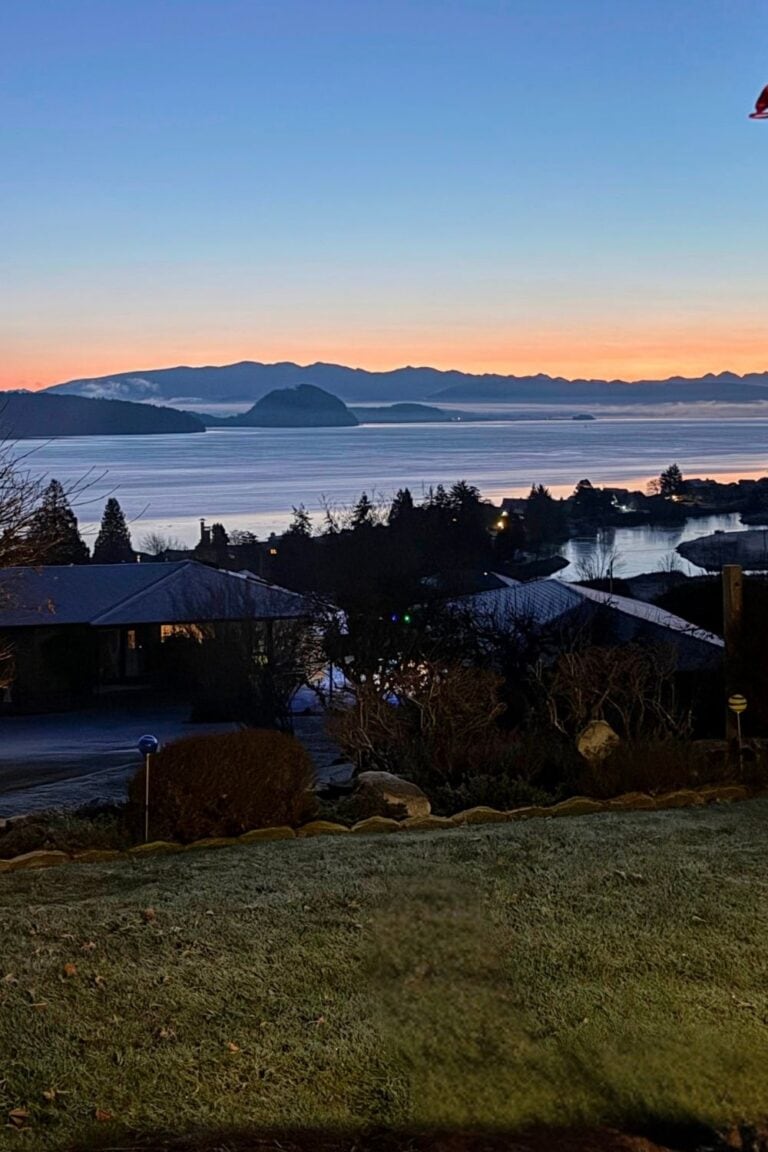
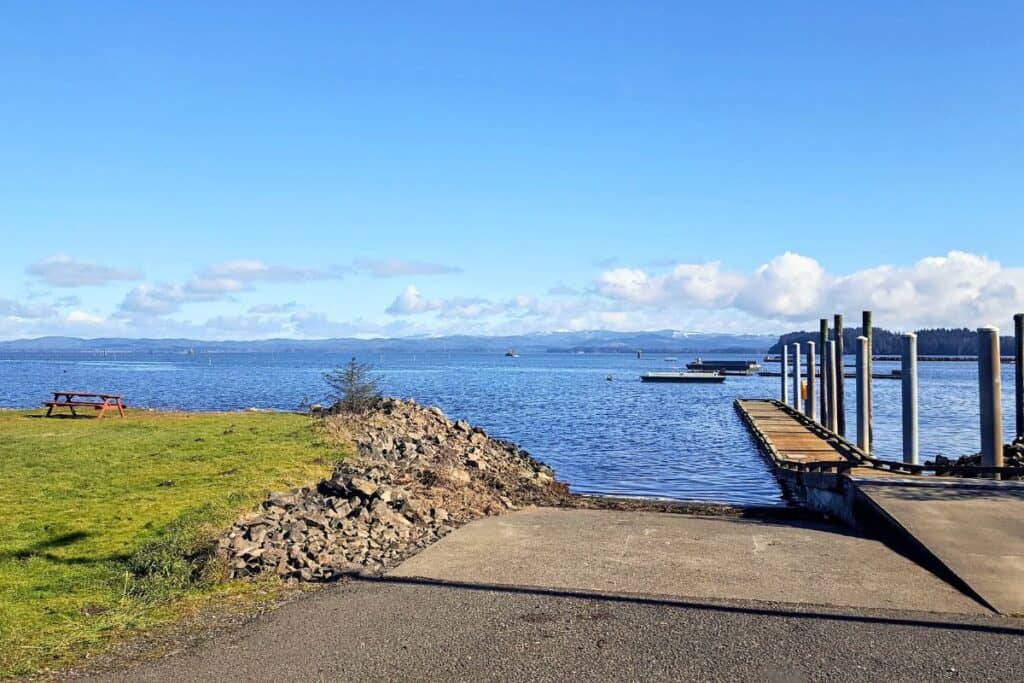
With my awesome snacks, we walked through to the open-air patio, where the sun was shining beautifully on the water of Willapa Bay.
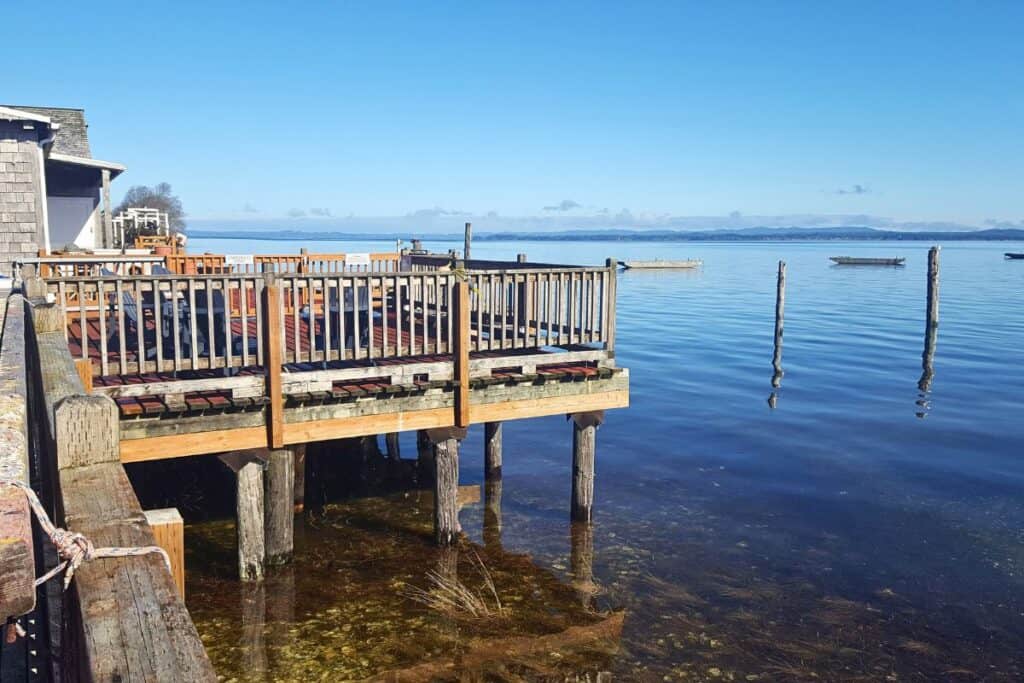
Almost immediately, I spotted a Great Blue Heron… my favorite bird. Seeing one standing so still against the shimmering water felt like a gift. The whole place carried this sense of calm that’s hard to explain unless you’ve stood there yourself.
We’ve returned a few times since, and yes… we’ve enjoyed freshly shucked oysters and good conversation with the staff. One afternoon, on the last day of April, we were told the story of the “R Method” of when to eat oysters.
The R Method and our last chance oysters
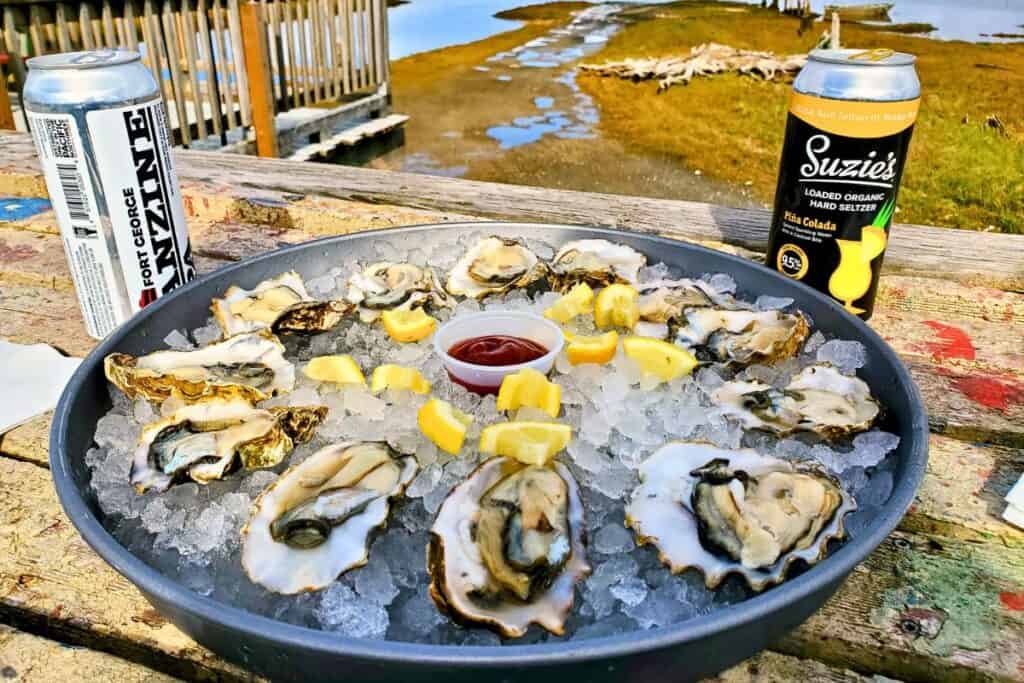
The woman at the counter gave us this information because we came in with a craving for fresh oysters in the half shell, and there were only 15 minutes left before they closed for the day. Today was the last day that they would be serving fresh oysters. Why? Because of the “R” method.
Of course, we asked, “What is the ‘R’ method? And what does that have to do with us getting fresh oysters?
So, she and the gentleman who was shucking our last chance oysters told us that this is a traditional rule: only eat fresh oysters during the month with an R in it. So basically, only in the colder, winter months. This is because they spawn in the summer months, and warmer temps increase the risk of bacteria and make the meat softer, thinner, and less tasty.
We were also informed of the oyster’s ability to change gender to suit their needs….not what I expected to learn that day. It was a fun, interesting visit with the friendly staff and an excellent day of enjoying 2 dozen fresh oysters and soaking up the beautiful day on the deck overlooking the bay.
If you want to read more about where to get fresh oysters, check out my post, 6 Great Places to Enjoy Fresh Oysters in Western Washington.
Oysterville Cemetery: Remembering the Names
Leaving the cannery, we drove past two concrete blocks and an old wooden sign that read “Oysterville Cemetery.” Of course, I had to stop.
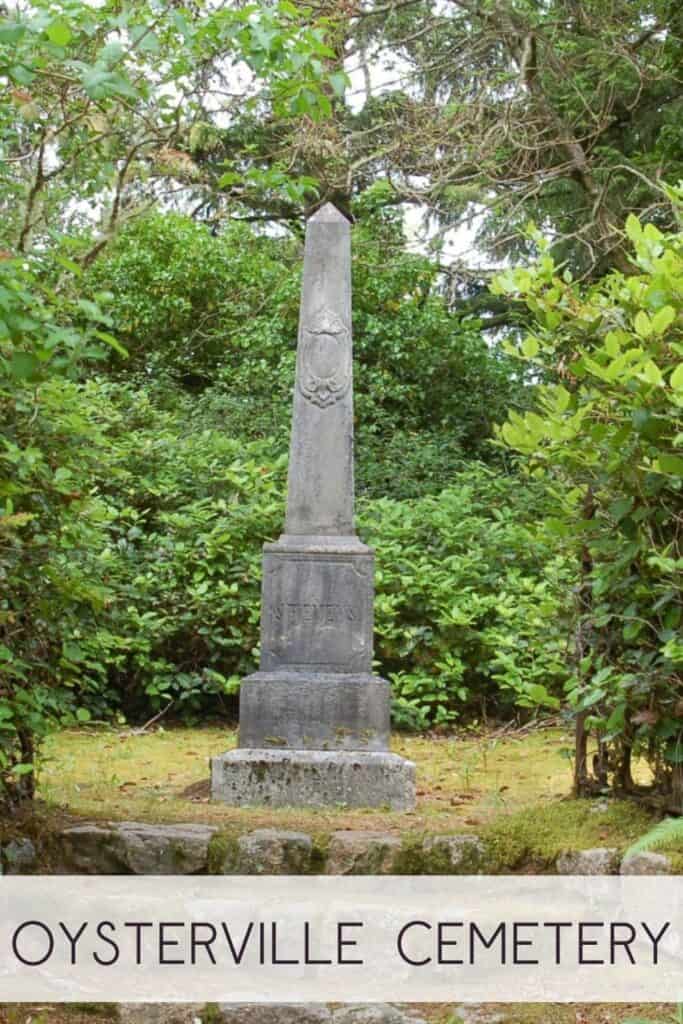
By Chris Light – Own work, CC BY-SA 4.0, https://commons.wikimedia.org/w/index.php?curid=167222977
I’ve always been fascinated by old cemeteries. Not in a spooky way… but in a curious, history-loving way. The Oysterville Cemetery is one of the oldest cemeteries in Washington State.
The moss-covered trees create a serene resting place for many of the area pioneers, as well as members of the Shoalwater Bay Tribe. The Shoalwater Bay Tribe has called this region home for thousands of years, long before Oysterville was officially founded. Their deep connection to Willapa Bay—its tidal flats, forests, and estuaries—shaped the land’s earliest history. The bay provided abundant oysters, clams, salmon, and other resources central to tribal life and culture. While later arrivals gave Oysterville its name, the Shoalwater Bay people have always been—and continue to be—a vital part of the area’s story. The weathered headstones here hold stories of dreams followed, and some never achieved, of treacherous endings, and forgotten beginnings.
Standing amongst the overgrown memorials, I thought about who they were, what they were like, what their lives were like then, who is remembered, and who has been forgotten. I always have when roaming cemeteries. I like to think that even if no one else visits the graves, I have seen them…I have read their names and thought of them, and in that way, they are remembered.
Leadbetter State Park: More Wind, More Wild
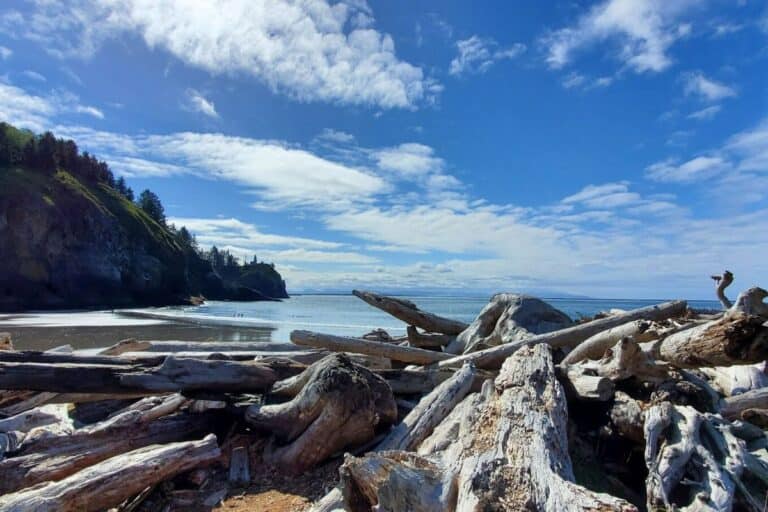
After reflecting at the cemetery, it felt natural to keep heading north… toward more wind and open space. The Long Beach Peninsula narrows as you drive, and at its tip sits Leadbetter State Park.
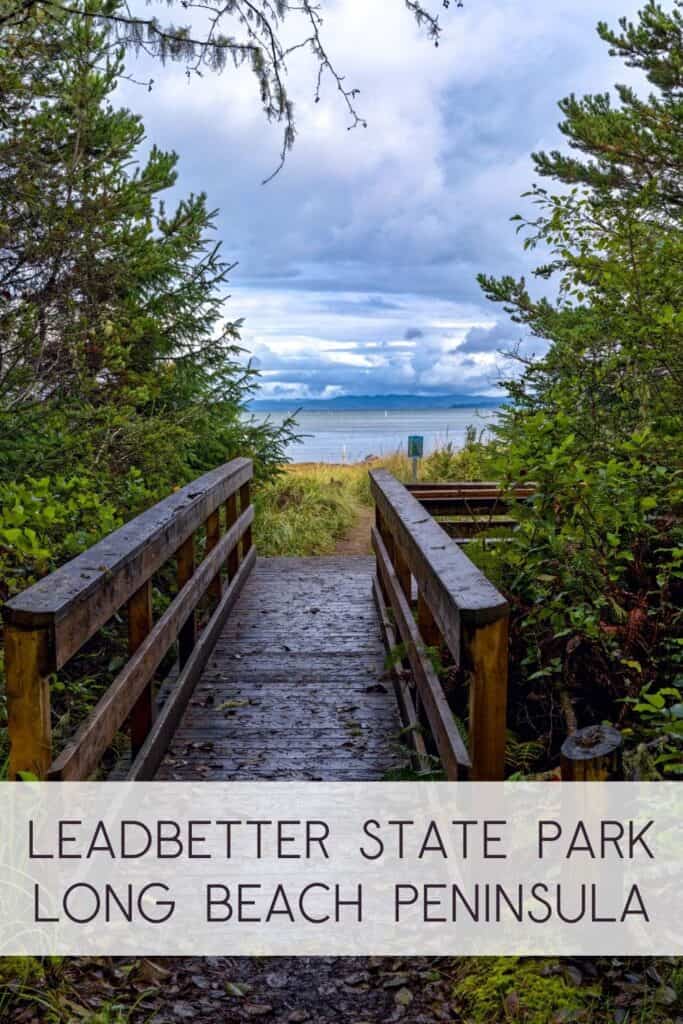
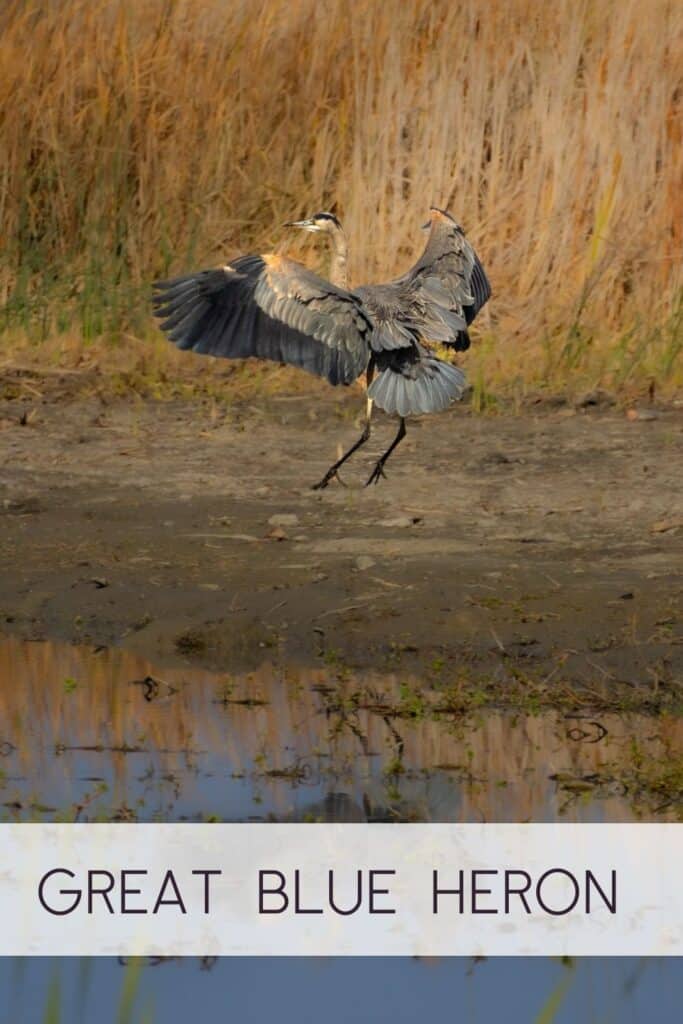
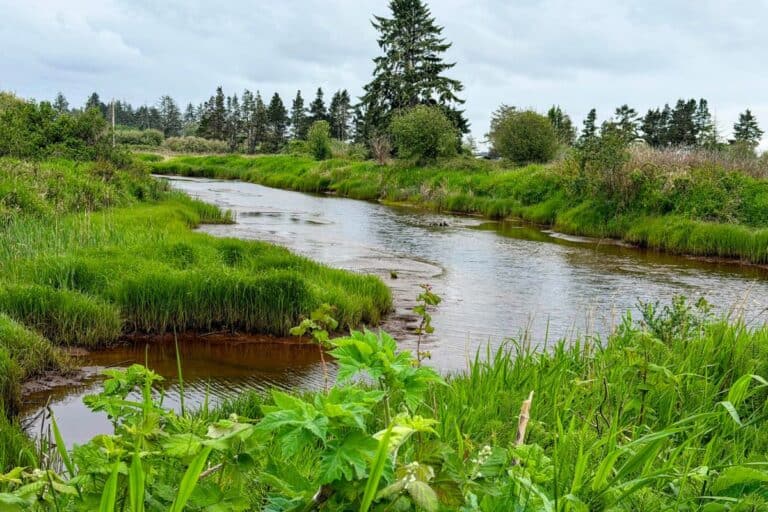
If you have the time, it’s worth the extra drive. Trails wind through coastal forest before opening to marshy shoreline and wide water views. One of my favorite trails is the Leadbetter Point Trail, which loops through shifting landscapes of woods, dunes, and salt marsh, and offers several quiet spots for picnicking or just sitting and watching the tide. Leadbetter is also known for birdwatching, and I was thrilled to learn that Great Blue Herons nest there. We saw many of them, flying in and out of the trees. I don’t know if you have ever heard a Heron, but they sound so prehistoric. It makes me think of a pterodactyl (not that I know what they sound like, but that is how I imagine they sound). If you arrive early in the morning or near sunset, you’re likely to spot them along with sandpipers, bald eagles, and even the occasional river otter
Why Oysterville is worth the stop
Oysterville turned out to be the kind of stop you don’t plan for… because we didn’t. But you keep talking about and want to come back to… cause we do. It isn’t big or touristy. It doesn’t demand attention. It is simply a lovely little spot on the Long Beach Peninsula, layered with history, salty sea air, and one of the best places to eat fresh oysters. And that may be exactly why it keeps pulling me back.
Depending on where you live, a day trip to Oysterville may not be feasible, as it is roughly 3-4 hours from the Seattle area, but it would be an excellent extension of your Long Beach weekend getaway.
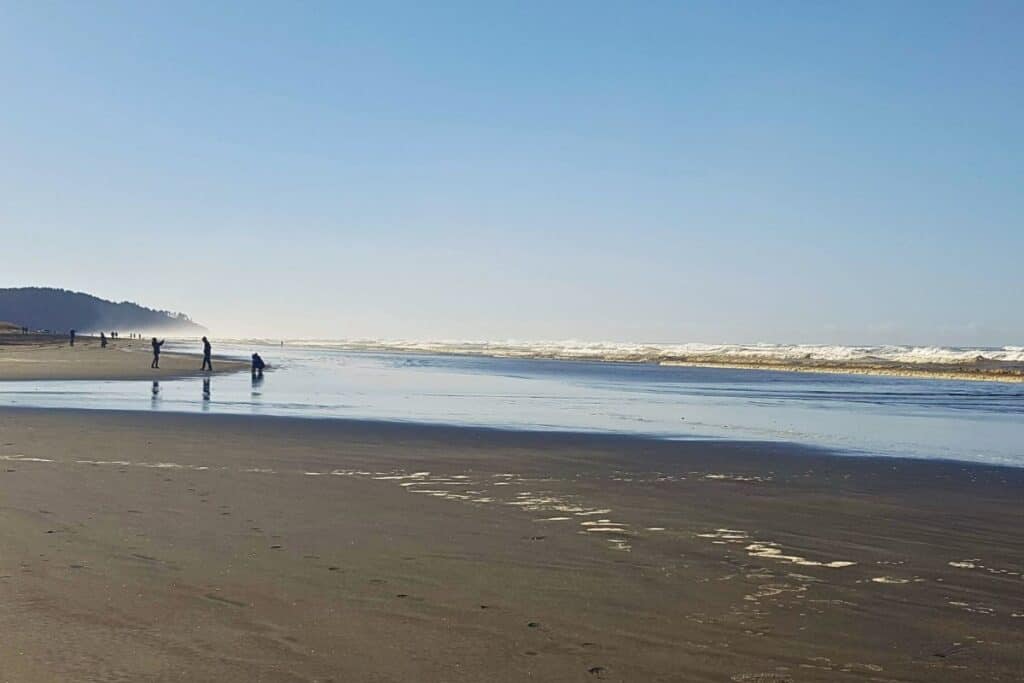
Long Beach is just 20-30 minutes South of Oysterville and has many great places to stay. Make a weekend of hanging at the beach, playing games at the arcade, walking the boardwalk, eating great seafood, and of course, taking a drive to the historic village of Oysterville, Washington.