Our pasts never stay behind when we travel.
We tuck them into our suitcases, carrying them as the unseen lens that colors every skyline, every lonely highway, and every weathered town we meet.
For me, the lens of the Pacific Northwest was forged in a perfect storm of Gen X melancholy, a massive cultural shift, and a lineage of dust and labor.
This is my Gen X PNW Travel Story
In 1991, I fell hard for grunge music.
As a teenager in Salt Lake City, I listened to the wild, electric sounds of a place I’d never seen.
Washington State and Seattle were mysteries to me, a rain-soaked epicenter of distortion and raw emotion that seemed worlds away from my own reality.
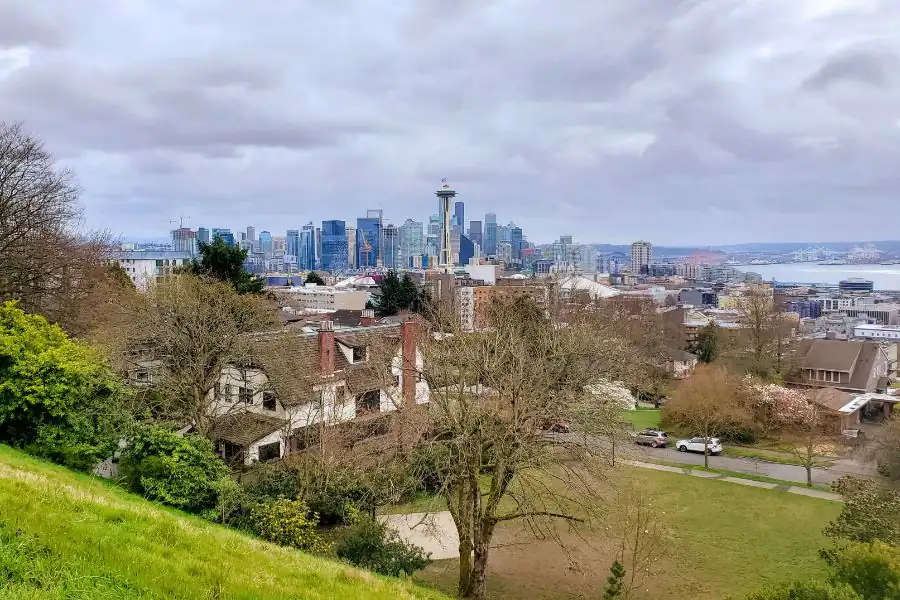
In August 1993, just before I turned eighteen, I moved to Washington, and everything changed.
I entered a culture that felt vast and unfamiliar. Navigating a new life in a new landscape, I often felt out of place.
And then, eight months later, April of 1994 arrived.
A Shared Canopy of Loss
I didn’t come to Washington first as a tourist.
I came carrying music, grief, and the strange ache of being almost eighteen and not quite belonging anywhere.
My very first visit to Seattle wasn’t for a typical tourist sight or a trip to Pike Place Market.
I went to Kurt Cobain’s public vigil.
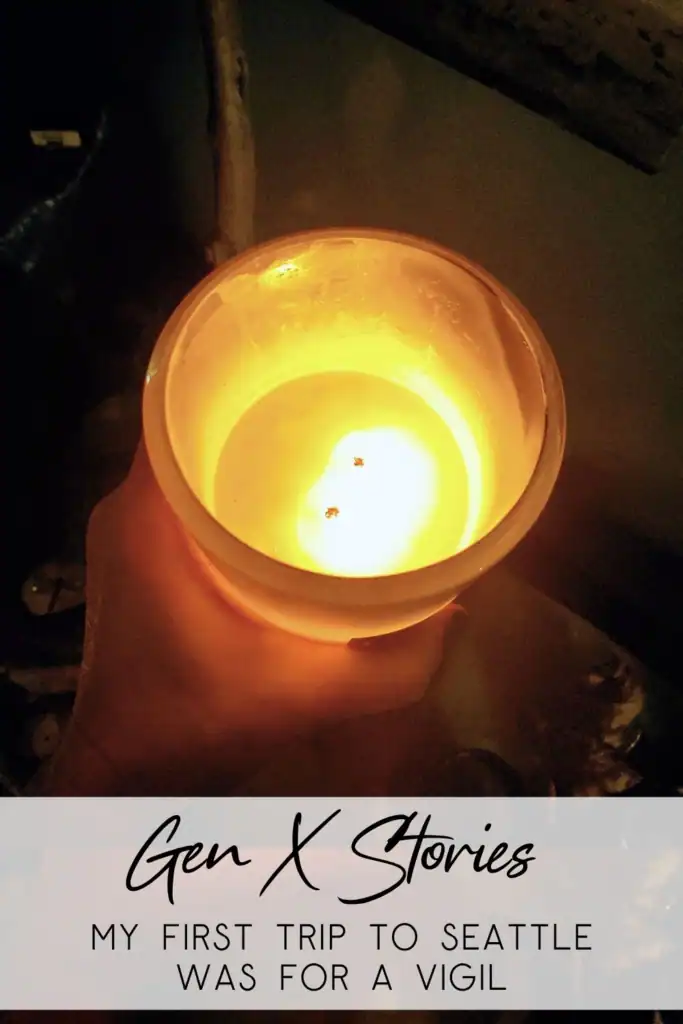
The experience was deeply emotional, marked by overwhelming collective grief.
Among thousands of strangers, my sense of loss over his death merged with my own personal grief for the life and comforts I had left behind.
I was a stranger beneath a heavy gray sky, sharing a broken heart with an entire city.
Years have passed since that April afternoon.
I have built a life and explored the Pacific Northwest, yet I still keep the newspaper clippings and candles from the vigil.
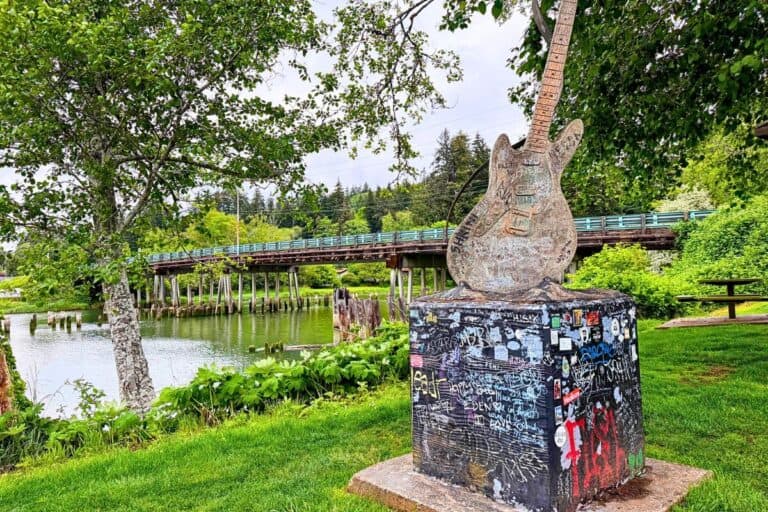
I have visited the memorial bench at Viretta Park and walked the banks of the Wishkah River in Aberdeen many times.
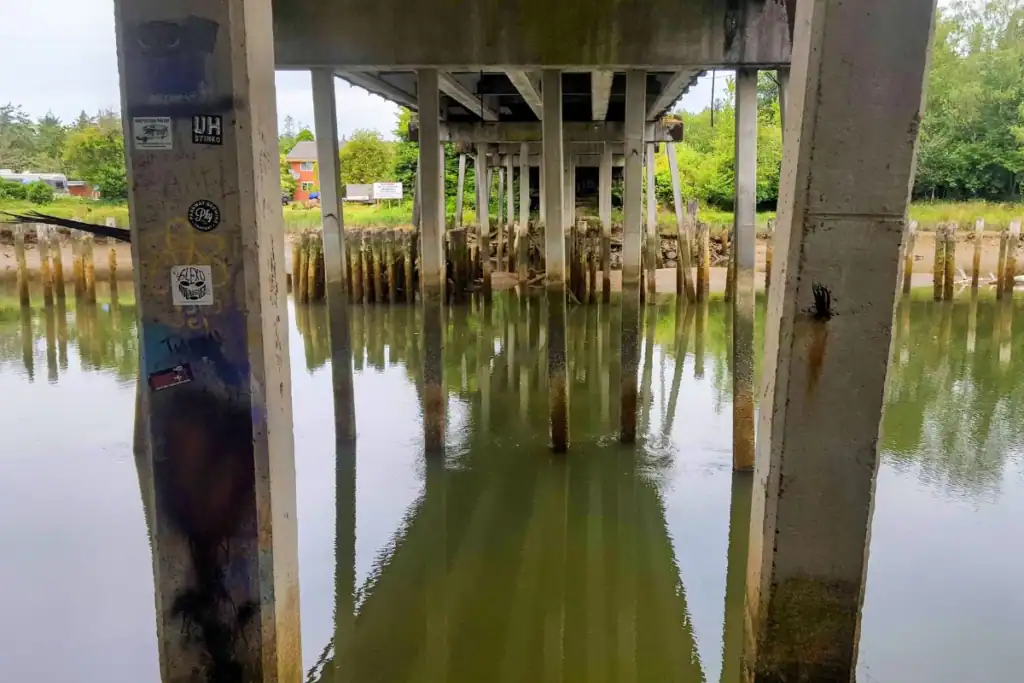
I don’t go to these places as a casual music tourist looking for a photo-op.
I go because I understand the soil they were built on.
The Lineage of the Forgotten
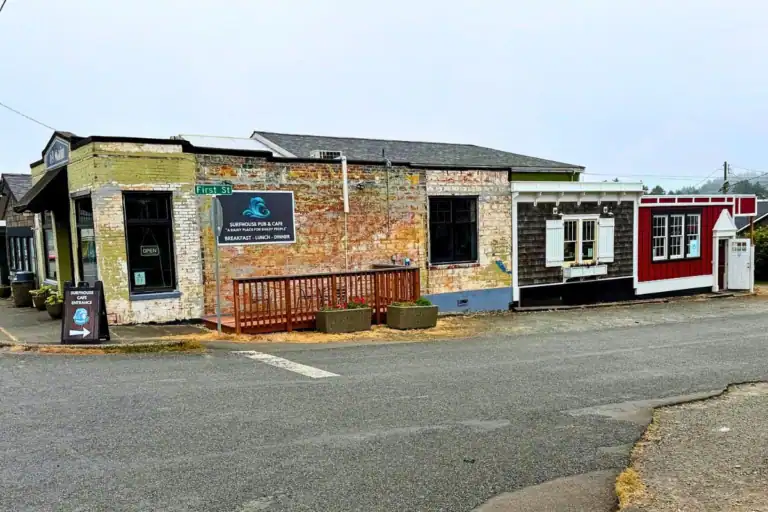
People often comment on the “depressive nature” of places like Aberdeen, or the heavy, weathered look of old coastal logging towns.
But when I walk those cracked sidewalks beneath the damp gray skies, it doesn’t feel depressing to me.
It feels familiar.
I come from a long line of hardworking, poor, blue-collar laborers.
My family has always been the ones making others rich. They spent their lives sweating in the dark, dangerous coal mines of Utah, Nevada, and Montana.
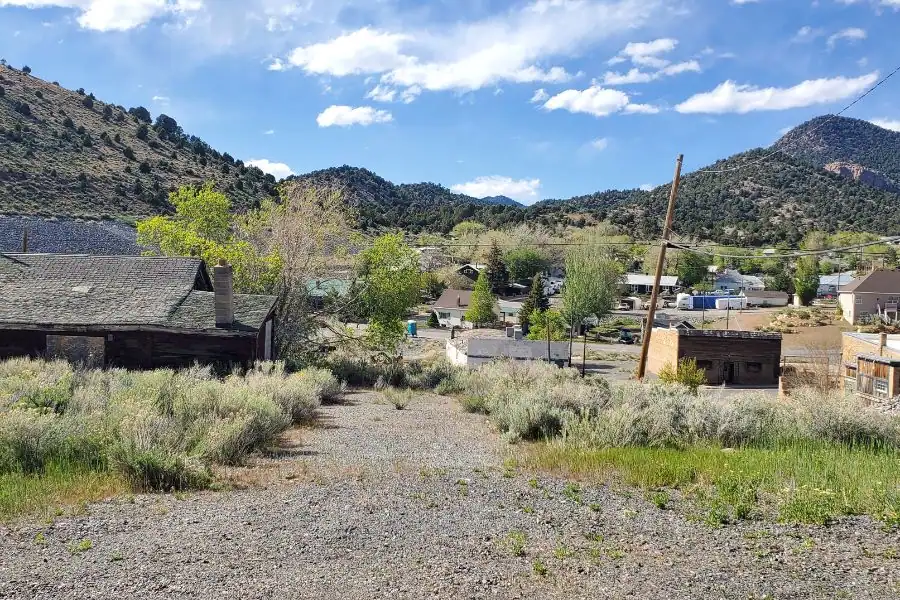
History books rarely mention families like mine. History is written by those with money or the luxury to record it.
Laborers don’t get chapters written about them… they’re left behind in the dust when the resources dry up.
They’re forgotten.
I understand forgotten.
That’s why I’m drawn to the edges.
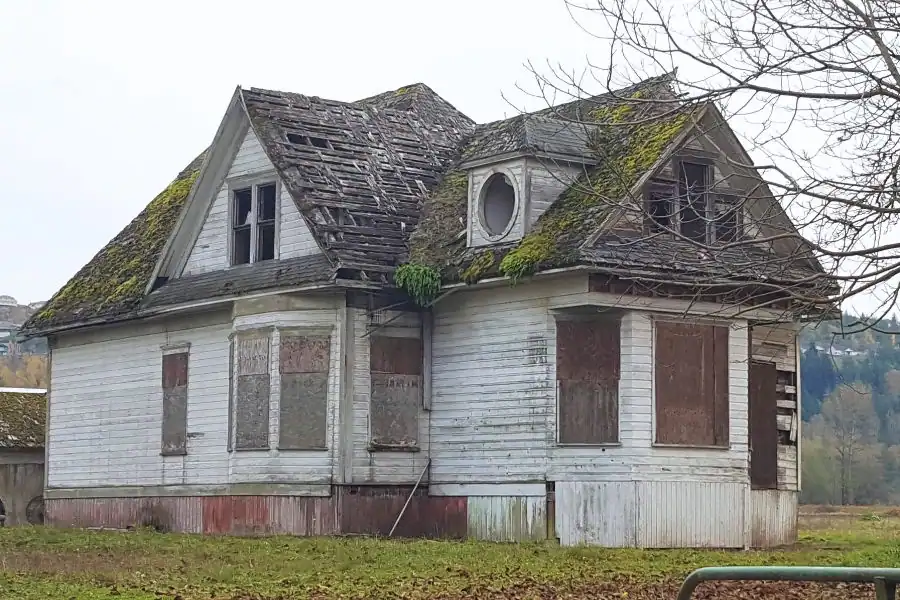
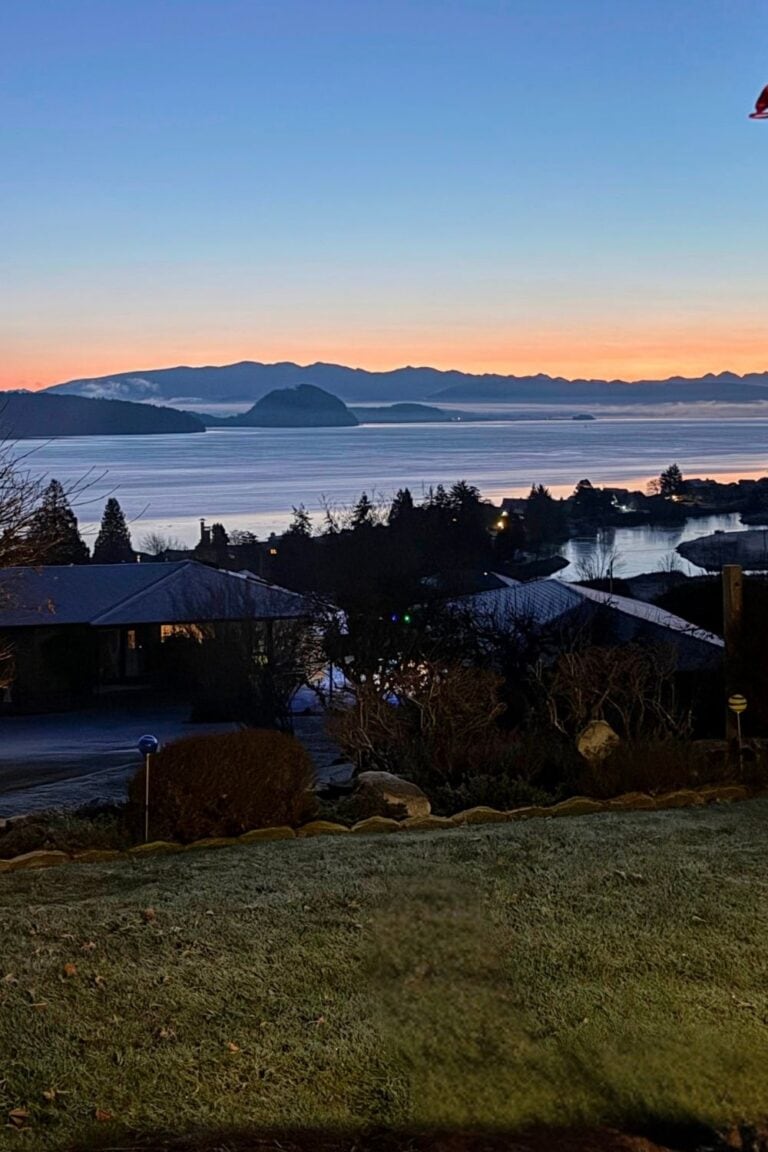
Finding beauty and history in the forgotten corners of the Pacific Northwest—where every sagging roofline has a story to tell.When I spot a sagging, abandoned house along a Washington highway or stumble upon a quiet, overgrown cemetery in a fading timber town, I don’t see an eyesore…I feel a deep ache of loss.
I imagine the hardships, the fierce love, and the resilient laughter that once existed in these places.
I can’t help but mourn how unfairly time erases some lives.
My travel writing isn’t about finding the prettiest view.
It is about bringing attention to the lost.
The Cost of the Art
I think Kurt Cobain was lost, too.
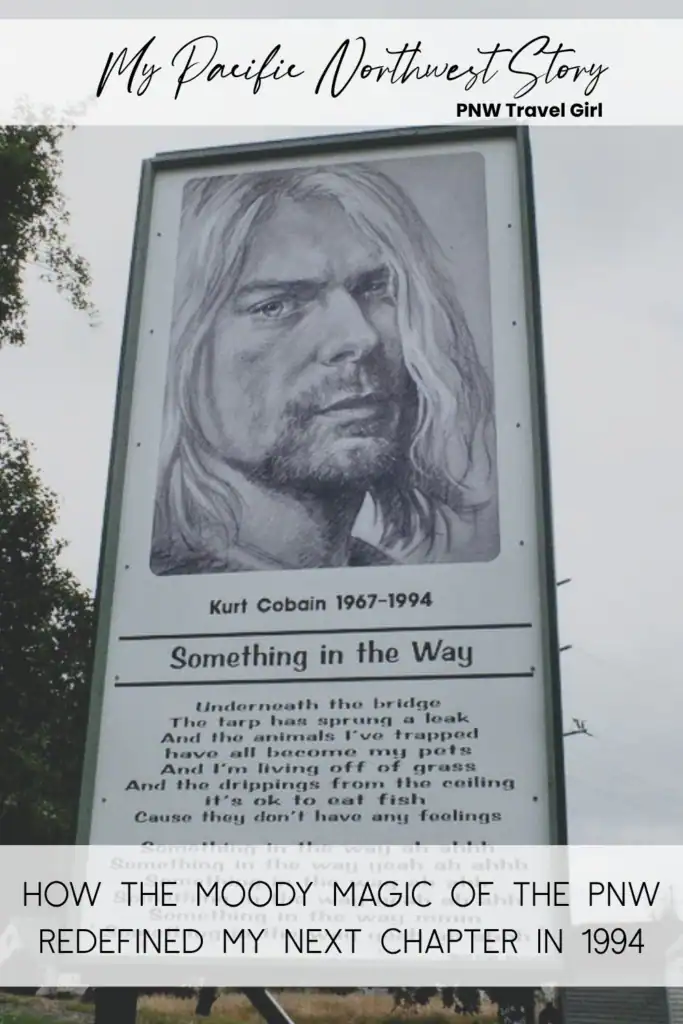
From the outside, it seemed like he carried a kind of heaviness that many of us recognized, even if we could never fully know it.
He seemed to be lost in his own head, tangled up in his own trauma, his thoughts, and the conflicting storm of creativity, self-exploration, and a desperate need for quiet solitude.
It’s a feeling deeply relatable to anyone who grew up without privilege, open doors, or easy opportunities.
He made his voice heard from a forgotten corner of Grays Harbor and established a name that will not be forgotten.
But at what cost?
He wasn’t happy.
His family missed out on a life with him.
Yet he left something beautiful behind…his art.
His music lingers for those of us still wandering these damp, mossy roads.
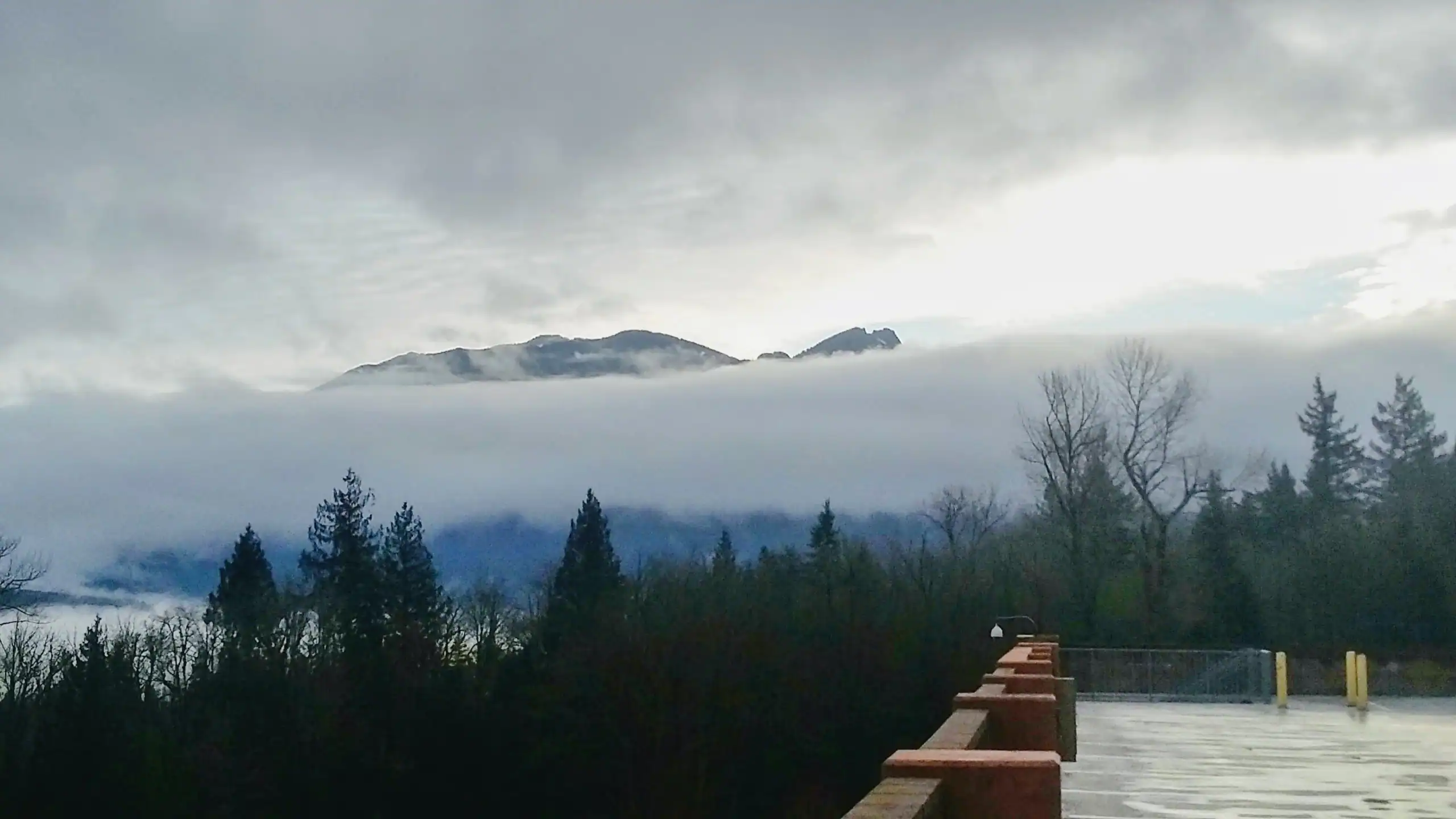
It comforts us through our struggles, letting us gaze into the gray Pacific Northwest mist and know we aren’t alone in our confusion or pain.
Why I Write And Wander Forgotten Places
So when you read my travel guides or see my photos of rusted bridges and silent waterways, know I’m not just passing through.
I’m searching for stories that never got a sponsor.
I look for resilience beneath the rust.
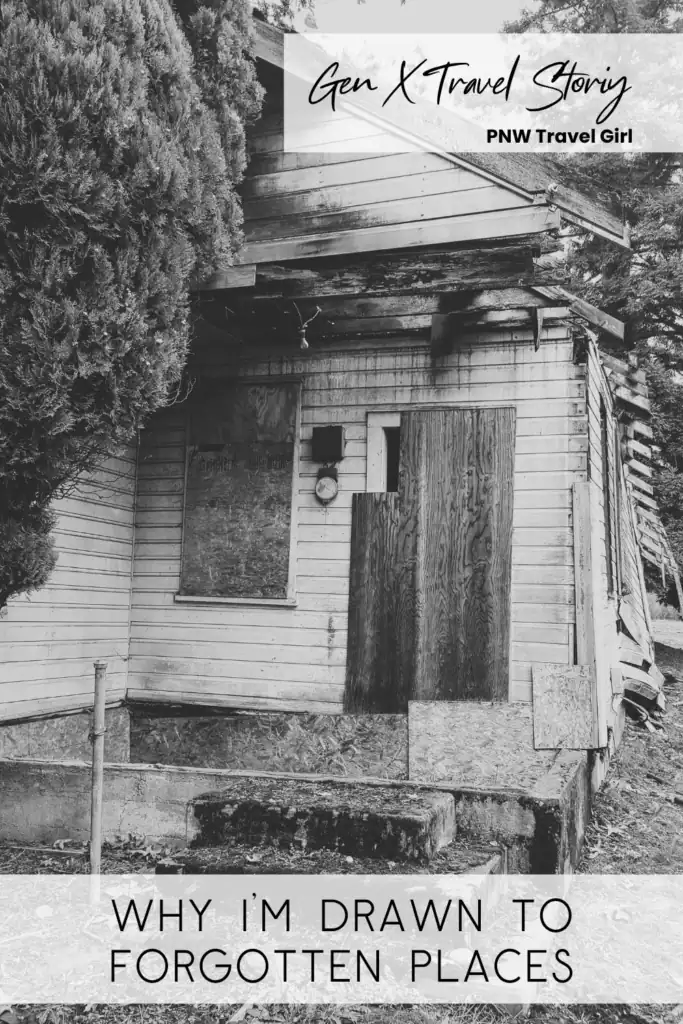
I write for the people who built these towns, the kids who tried to survive them, and the travelers who know that the most beautiful places are often those that have weathered the fiercest storms.
Welcome to my Pacific Northwest. Let us pause and look more closely at the places others overlook.
Have you ever felt connected to a place because of its history, its music, or the people who came before you? I’d love to know what place stays with you.